
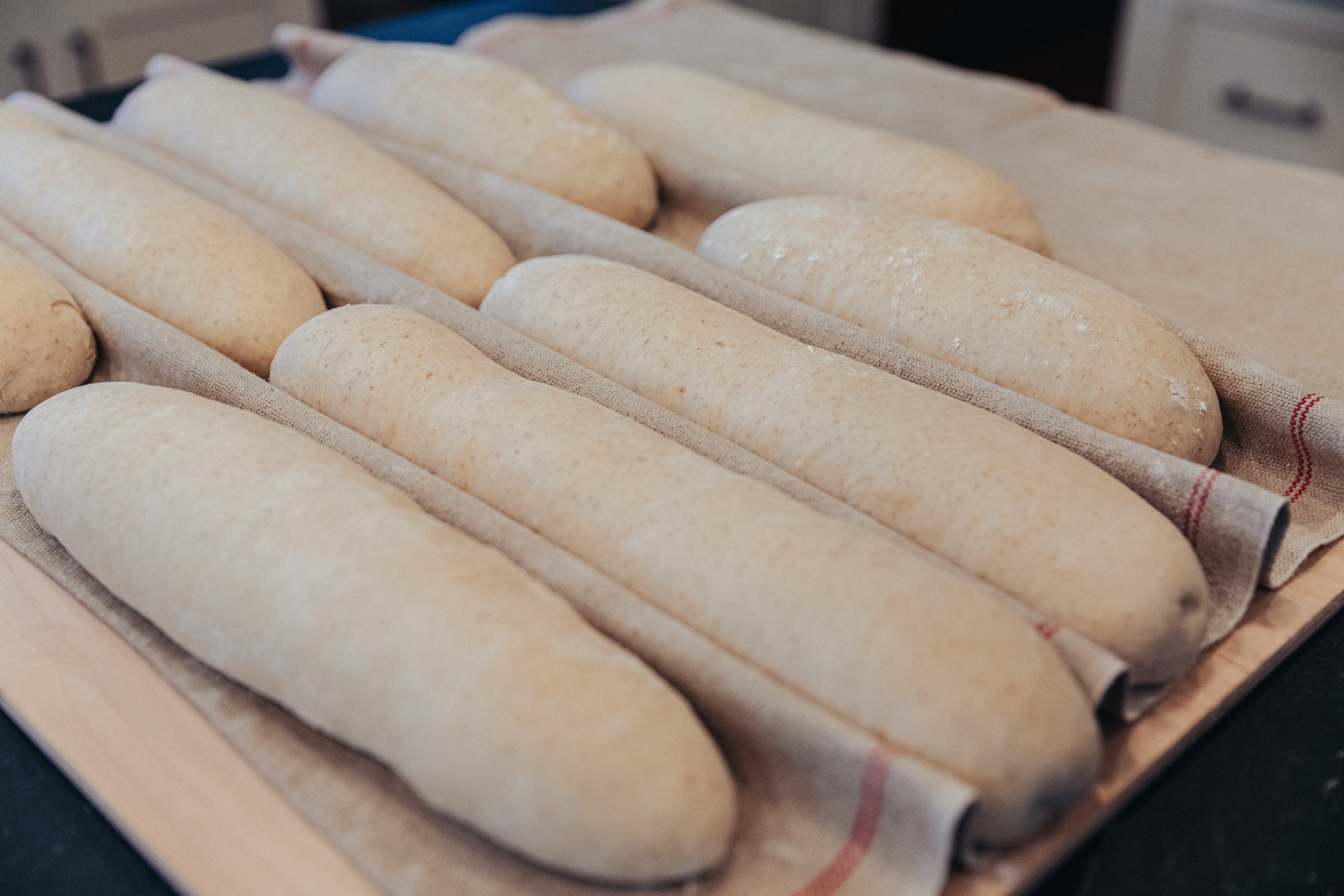
When the dough doesn't rise...
Sometimes the dough just won't rise....
There's a particular feeling, after twenty years of bread baking, when you check your proofing dough and see exactly the same dough you put in three hours ago. Not bigger. Not lighter. Same.
The first thing I check is the water temperature. If the water was too cold, the yeast might be sluggish but not dead. If it was too hot, the yeast is dead and there's nothing for it. So: was the water tepid, or warm to the touch but not hot?
The second thing is the yeast itself. Is it fresh? Does it smell like beer when you open the packet? Old yeast loses potency quickly, especially if the packet has been open or the jar has been sitting in a warm cupboard.
Third — and this is the one most people miss — is the salt. If you measured the salt directly into the flour and then tossed the yeast on top of the salt, the salt can deactivate it. Salt and yeast want to live on opposite sides of the bowl until you mix everything together with the water.
If all three of those check out, give it more time. Sometimes if the kitchen is too cold, the weather, if rainy, can slow the rising process. If it's winter and the kitchen is cold, sometimes I will put dough in my dining room with the fire on.
Let's face it, sometimes you just have a dough that won't rise. Options, let it rise overnight, see if it will revive - I usually knead the dough again (activating the gluten) then put in refrigerator overnight. Another option is to shape the bread and see if it will rise, bake it and if it's not good grind it into bread crumbs to freeze for later and start again. Or roll the bread flat and make a flatbread - it's not a complete loss, just not what you had planned.
Sometimes the dough just won't rise.....
— Robin